

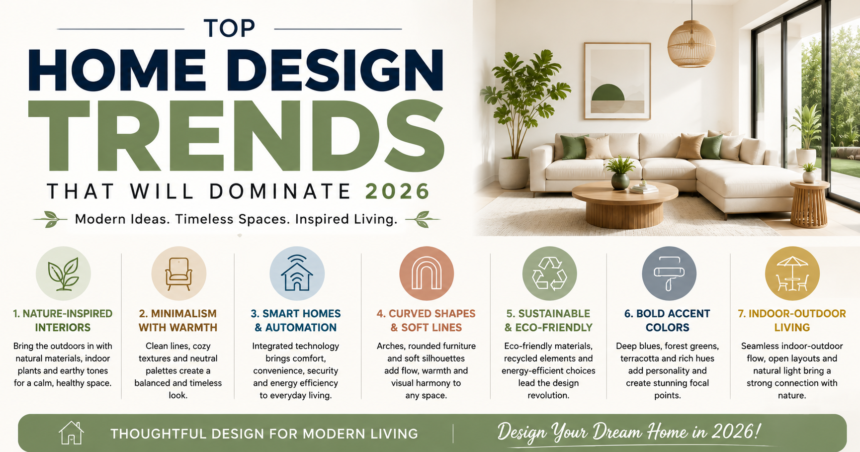
The way we think about our homes is changing. After years of stark white rooms and showroom-perfect interiors, 2026 is ushering in a softer, more soulful approach to design. This year is all about creating spaces that feel intentional, comfortable, and deeply personal—rooms that tell your story rather than follow a strict formula.
Whether you’re planning a full renovation or simply looking to refresh a single room, understanding the trends shaping the year ahead can help you make smart, lasting choices. Below, we’ve rounded up the five home design trends that will dominate 2026, complete with practical tips to help you bring each one to life.
1. Warm Minimalism Takes Center Stage
Minimalism isn’t disappearing—it’s just getting cozier. In 2026, the cold, sterile minimalism of the past is giving way to a warmer, softer version often called “slow” or “cozy” minimalism. Think clean lines and clutter-free layouts, but paired with natural textures, tactile materials, and inviting layers.
Instead of harsh white walls and glossy surfaces, picture layered area rugs, woven textiles, handmade ceramics, and warm wood tones. The color palette leans into soothing neutrals like cream, clay, sand, and stone. Every piece in the room serves a purpose, whether functional or sentimental, but the overall feel remains breathable and welcoming.
What makes this trend so appealing is its connection to wellness. As our homes become a sanctuary from constant digital noise, warm minimalism offers a sense of calm without sacrificing style.
Quick tip: Start small by swapping out a few synthetic materials for natural ones. A wool throw, a linen cushion cover, or a handmade vase can instantly add warmth without cluttering your space.
2. Craftsmanship and Sustainable Luxury
One of the clearest themes across 2026 forecasts is a renewed love of craftsmanship. As shoppers grow more conscious of sustainability and longevity, mass-produced “fast furniture” is falling out of favor. In its place: high-quality, artisanal pieces designed to last a lifetime.
This trend shows up in handmade or vintage rugs, sculptural lighting, and furniture crafted from natural materials like wood, stone, and metal. Often described as “sustainable luxury,” this approach values where an item comes from and how it’s made. Pieces with traceable origins, local craftsmanship, or repurposed materials are especially sought after.
In 2026, luxury isn’t about what looks newest or trendiest. It’s defined by quality, intention, and story. A well-made piece with history and character will always outshine a disposable bargain.
Quick tip: Before buying new, explore vintage shops, estate sales, and local makers. A single well-crafted statement piece—like a reclaimed wood table or an antique mirror—can anchor an entire room.
3. Maximalist Expression: Color and Pattern Return
After years dominated by beige and greige, bold color is making a confident comeback. Designers predict that 2026 homes will embrace richer hues, daring patterns, and a more expressive sense of style.
One technique gaining serious traction is “color-drenching,” where walls, trim, ceilings, and even furniture are painted in a single saturated hue for an immersive, enveloping effect. Jewel tones, earthy greens, deep blues, and moody browns are leading the charge. Pattern is returning too, layered in playful ways across tile, wallpaper, and textiles rather than confined to a single statement piece.
At its heart, this trend celebrates individuality. Homes in 2026 aren’t meant to look like catalog replicas—they’re meant to reflect the people who live in them. Eclectic combinations, collected objects, and bold choices all contribute to spaces that feel authentic and alive.
Quick tip: If a fully color-drenched room feels intimidating, start with a powder room or a reading nook. These smaller spaces are perfect for experimenting with bold color before committing to larger areas.
4. Purpose-Driven Spaces and Functional Zoning
The open floor plan that once dominated new construction is giving way to more defined, intentional spaces. As lifestyles evolve, homeowners are prioritizing rooms that support specific needs and routines.
Wellness-focused spaces are a major part of this shift. Meditation corners, home spas, sauna setups, and calming sensory environments are becoming more common, all dedicated to rest and mental well-being. Outdoor living areas are evolving too, with covered patios and outdoor kitchens that feel more like furnished rooms than backyard add-ons.
Inside the home, functional zoning is key. Rather than one large multipurpose room, designers are carving out distinct areas for cooking, dining, working, and relaxing. These zones don’t always require walls—thoughtful lighting, rugs, and furniture placement can create clarity and flow on their own.
Quick tip: Use an area rug and a floor lamp to define a dedicated work-from-home zone within a larger room. This simple trick creates separation without the cost of construction.
5. Historic Details and Heirloom Architecture
After years of flat walls and simplified interiors, homeowners are once again drawn to depth, ornamentation, and craftsmanship. Molding, wall paneling, decorative trims, and plaster details are reappearing in both renovations and new builds—a movement sometimes called “modern heritage.”
This isn’t a return to overly formal, traditional design. Instead, it’s about blending old and new: pairing classic architectural elements with modern furnishings and clean layouts. Inset cabinetry might sit beneath contemporary lighting, or a fluted millwork feature wall might frame a sleek, minimalist sofa. Vintage and antique pieces are mixed with current designs to create layered interiors that feel timeless rather than trendy.
In an era where longevity matters more than ever, heirloom-inspired architecture offers a comforting sense of permanence, warmth, and history. It’s a way to make even a brand-new home feel like it has a story to tell.
Quick tip: Adding simple crown molding or a fluted accent wall is an affordable, high-impact way to introduce architectural character to a plain room.
Designing a Home That Feels Like You
Taken together, the top design trends for 2026 point to a clear shift in priorities. Homes are no longer just places to showcase style—they’re becoming environments that support well-being, reflect individuality, and stand the test of time. From warm minimalism and handcrafted details to expressive color, purposeful layouts, and historic charm, this year invites you to choose comfort and character over perfection.
The most compelling spaces won’t chase every trend. They’ll thoughtfully embrace the ones that align with how you actually live. So take what resonates, leave what doesn’t, and start shaping a home that feels genuinely, beautifully yours.
Ready to refresh your space? Pick one trend that speaks to you and take that first step today—your dream home is closer than you think.